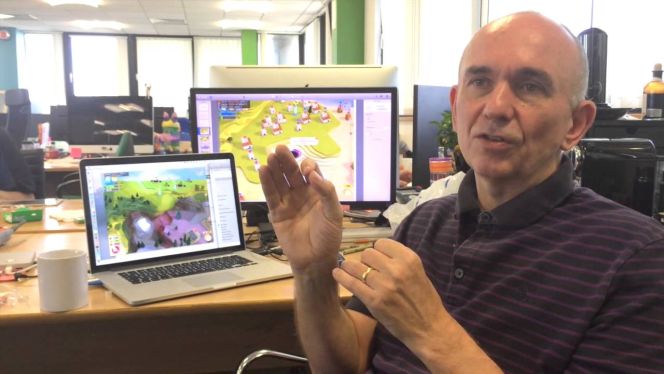
Peter Molyneux is a name that once commanded reverence in gaming. The mind behind Populous, Dungeon Keeper, and Black & White was hailed as a visionary. But in the years following his departure from Microsoft and Lionhead Studios, that reputation eroded—replaced by a legacy of overpromising, underdelivering, and financial fallout for those who believed.
Behind every failed game lies more than code and concept art. There are people—investors, developers, backers—whose money, time, and trust were tied to a promise that never materialized. This is the story of those players: the ones who lost big on Molyneux’s later ventures, particularly Curiosity – What’s Inside the Cube?, Godus, and The Trail.
These weren’t just misfires. They were cautionary tales of hype, hubris, and the fragile line between innovation and illusion.
The Rise and Fall of a Gaming Visionary
Molyneux wasn’t always synonymous with disappointment. In the '90s and early 2000s, he was one of gaming’s most celebrated designers—a true auteur. His games blended whimsy with ambition, often pushing the boundaries of what players thought possible.
But after Lionhead Studios was acquired by Microsoft and Fable became a commercial success, Molyneux’s ambition began to outpace execution. Black & White was groundbreaking but buggy. Fable II delivered charm but felt watered down. Then came Fable III, criticized for shallow mechanics and narrative fatigue.
By 2012, Molyneux left Lionhead. The industry expected reinvention. Instead, they got a series of mobile-first experiments built on crowdfunding and cryptic promises.
Curiosity: The Cube That Cost Real Lives
Curiosity – What’s Inside the Cube? launched in 2012 as a viral experiment. The premise: 6 million players tap away at a virtual cube, layer by layer. The last person to tap would see what’s inside—and supposedly, receive a life-changing prize.
It was a sensation. Millions downloaded the app. Players obsessed over tapping, some spending real money on “power tools” to dig faster. The app used in-app purchases to generate revenue, a model Molyneux defended as “funding creativity.”
But the winner, Bryan Henderson, didn’t get a fortune. He got a Skype call with Molyneux and a vague promise to “help shape the next game.” No money. No job. No clarity.
More importantly, the game’s underlying monetization exploited behavioral psychology. People paid to feel progress, to be part of something big—only to realize they were fueling a prototype for Godus.
The real losers? The hundreds of thousands who spent money chasing a digital mirage. One UK player admitted spending over £800 on tools. A German developer reported players under 18 racking up bills on their parents’ credit cards.
Curiosity wasn’t just a game. It was a monetization lab with human test subjects.
Godus: When Kickstarter Dreams Collapse
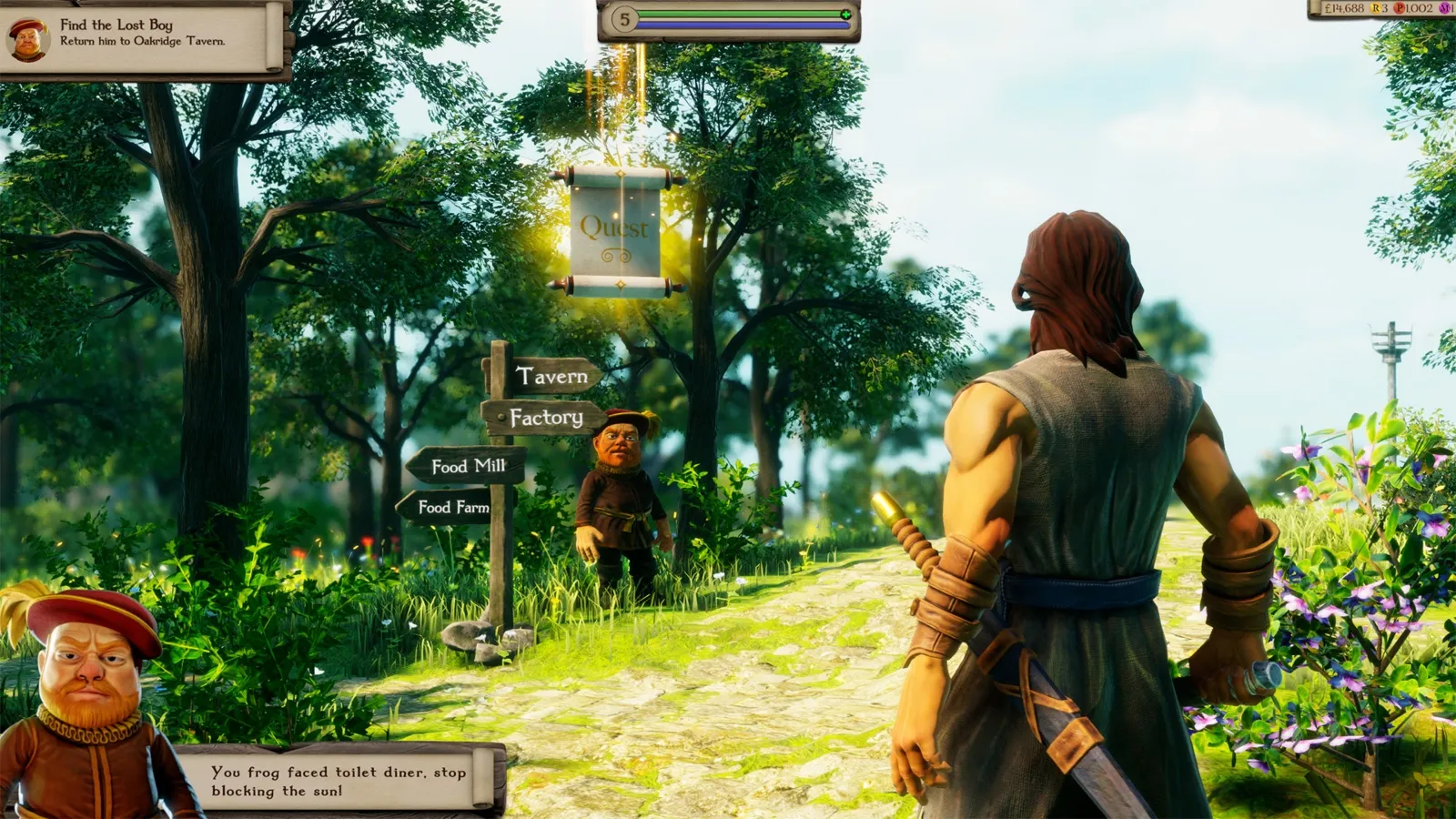
In 2012, Molyneux launched a Kickstarter for Godus, promising a spiritual successor to Populous with “emergent storytelling” and “lifelike civilizations.” The pitch was intoxicating. The trailer showed gods shaping worlds, civilizations evolving, and players influencing history.
It raised £526,361—over 500% of its goal. Backers expected a PC god-sim masterpiece.
What they got was a buggy, minimalist mobile port with no endgame, no promised features, and no communication.
The core disappointment? Molyneux promised procedural narratives where villagers would grow, remember, and react to players. Instead, Godus shipped with repetitive, automated villagers who followed scripted paths. The “story” never materialized.
By 2017, 22taps, the studio behind Godus, stopped updates. The promised “epic journey” was reduced to a one-time patch unlocking “Godus Wars”—a tacked-on RTS mode.
Backers felt betrayed. Many had pre-ordered at tiers over £50 for exclusive content and dev access. One backer, a longtime Populous fan, called it “the most expensive disappointment of my gaming life.”
Worse, Molyneux’s public appearances turned defensive. At GDC 2014, he admitted he “overpromised” but blamed fans for misunderstanding his vision. That moment became symbolic of the growing rift between creator and community.
The Trail: Walking Away from Credibility
After Godus imploded, Molyneux pivoted to The Trail, a mobile survival walking game. Launched in 2015, it was simpler—almost too simple. Players swipe to walk, collect wood, avoid bears.
It made money—over $1 million in its first year—by leaning hard on in-app purchases. But critics noted its design felt more like a monetization engine than a game.
One former employee at 22taps, speaking anonymously, said: “We were told to prioritize metrics over mechanics. The goal wasn’t fun—it was retention and spend.”
Players who bought premium packs for better gear or faster progress soon found the game’s difficulty spike designed to push them toward more purchases. It was a treadmill: walk, spend, walk more.
While not crowdfunded, The Trail damaged Molyneux’s last shred of goodwill. Longtime fans saw it as a retreat from vision into exploitation. Mobile revenue might have saved 22taps temporarily, but it buried Molyneux’s reputation as a creative force.
The Human Cost: Who Really Lost?
It’s easy to frame this as a story of failed games. But the true cost was human.
1. The Backers Over 13,000 Godus backers paid for a dream. Many were middle-aged fans who grew up with Populous. For them, this wasn’t just a purchase—it was emotional investment. The lack of updates, missing features, and broken promises led to frustration, disillusionment, and public backlash on Kickstarter forums.
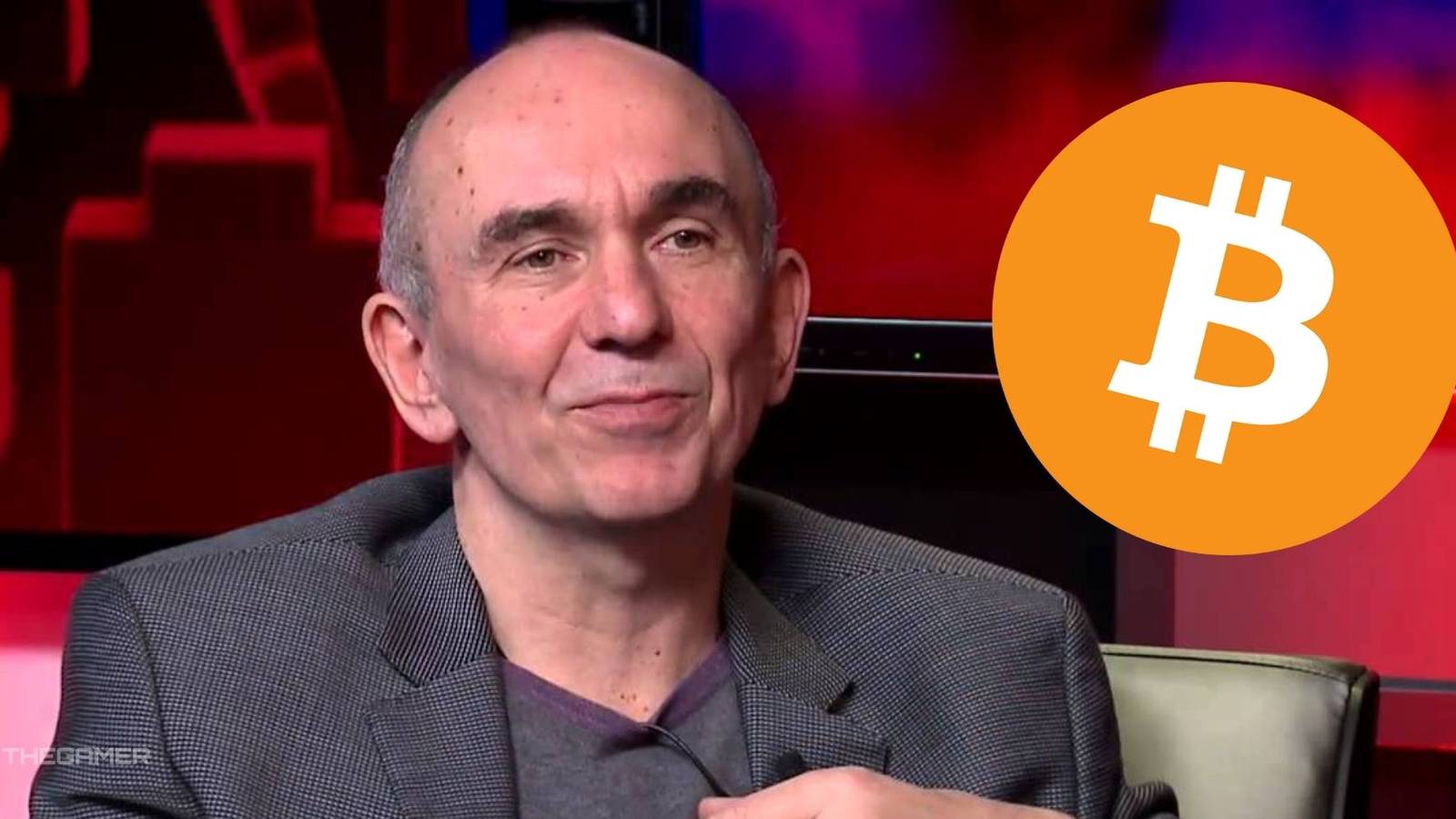
2. The Developers 22taps was a small studio. Employees worked long hours to meet unrealistic deadlines. One developer described “crunch cycles with no end in sight” and “feature whiplash” as Molyneux changed direction weekly. When the studio downsized, several lost jobs with little severance.
3. The Investors Though 22taps was initially self-funded, reports suggest private investors poured money into Godus’s expansion. When the game failed to scale beyond core backers, returns dried up. No official figures exist, but insiders estimate losses in the hundreds of thousands.
4. The Publishers While not direct publishers, platforms like Kickstarter and the App Store faced reputational risk. Critics began questioning whether crowdfunding enables irresponsible development. Godus became a case study in “visionary vaporware.”
Why Molyneux’s Legacy Still Matters
Molyneux’s story isn’t just about one man’s downfall. It’s a warning about unchecked hype in game development.
His pitch style—charismatic, grandiose, emotionally charged—worked in the era of press-driven marketing. But in the age of transparency, live streams, and community management, overpromising is a liability.
Compare Molyneux to studios like Mojang or CD Projekt Red. Both delivered on vision because they underpromised and overdelivered. Minecraft launched in alpha with clear limitations. The Witcher 3 missed a release date but shipped polished.
Molyneux did the opposite: promised galaxies, delivered pebbles.
His failures also highlight the risks of crowdfunding. Without accountability, creators can stretch timelines indefinitely. Godus took five years to reach a “complete” state that still lacked core features. Backers had no recourse.
Lessons for Players, Backers, and Creators
If you’re tempted to back the next visionary game, here’s what to watch for:
- Vague Promises: Phrases like “revolutionary AI” or “story that evolves with you” are red flags without technical details.
- No Prototype: If the demo is all concept art and cinematic trailers, proceed with caution.
- Single Figurehead: Teams relying on one “genius” designer are riskier than collaborative studios.
- Feature Creep: Promising 100 mechanics upfront often means none will be polished.
- Communication Gaps: Silence after funding is a major warning sign.
For developers: passion isn’t enough. Scope management, transparency, and humility matter more than vision.
For fans: it’s okay to love a creator’s past work—just don’t let nostalgia blind you to present risks.
The End of an Era?
Molyneux stepped back from 22taps in 2022, passing leadership to others. He now describes himself as a “mentor” and “idea guy.” Godus remains on sale, barely updated. The Trail still earns small revenue but hasn’t evolved.
The man who once shaped digital worlds now lives in the shadow of his own overstatements.
But the players who lost money? They’re still here. The backer who maxed out a credit card. The developer who burned out. The fan who waited five years for a story that never came.
Their losses weren’t just financial. They lost faith in the idea that passion guarantees delivery.
In an industry built on dreams, that’s the most expensive cost of all.
FAQ
Who funded Godus? Godus was primarily funded through Kickstarter, raising over £526,000 from more than 13,000 backers.
Did Peter Molyneux make money from Curiosity? Yes. The app generated revenue through in-app purchases, though exact figures were never disclosed.
Was Godus ever finished? Technically, a “completed” version was released in 2017, but it lacked most promised features like procedural storytelling.
How much did The Trail make? Estimates suggest over $1 million in its first year, driven by in-app purchases.
Did any players get refunds for Godus? No official refunds were issued. Kickstarter does not require them, and 22taps considered the game “delivered.”
What happened to 22taps? The studio continues under new leadership, focusing on mobile games, but without Molyneux’s active involvement.
Is Peter Molyneux still making games? He’s no longer leading development but occasionally advises on projects. His direct influence on current titles is minimal.
FAQ
What should you look for in The Players Burned by Peter Molyneux’s Broken Promises? Focus on relevance, practical value, and how well the solution matches real user intent.
Is The Players Burned by Peter Molyneux’s Broken Promises suitable for beginners? That depends on the workflow, but a clear step-by-step approach usually makes it easier to start.
How do you compare options around The Players Burned by Peter Molyneux’s Broken Promises? Compare features, trust signals, limitations, pricing, and ease of implementation.
What mistakes should you avoid? Avoid generic choices, weak validation, and decisions based only on marketing claims.
What is the next best step? Shortlist the most relevant options, validate them quickly, and refine from real-world results.